
FLAG GUIDE
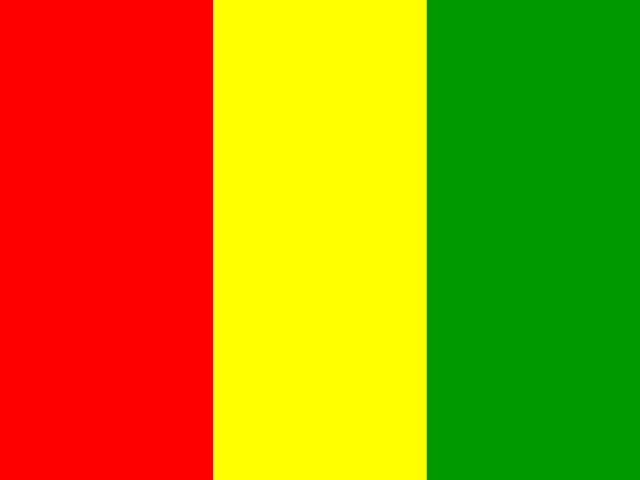
Flag of Guinea
Africa
Flag origins
Guinea’s red-yellow-green vertical tricolour was adopted on November 10, 1958, shortly after independence. Its Foreign Ministry explains red as the struggle against colonial rule and blood shed for independence on October 2; yellow as sunshine and mineral wealth, including gold, bauxite, diamonds and iron; and green as savanna, forests, agriculture and the land’s vitality. They are also Pan-African colors spread through influences including Ethiopia.
Flag story
Guinea resembles Mali, but the order is reversed: red-yellow-green for Guinea, green-yellow-red for Mali. Government-related information explicitly warns against confusion and describes Guinea’s green as malachite green, compared with Mali’s more grassy green. Guinea was also distinctive in rejecting the French Community and choosing immediate independence in 1958. It alone voted no to Charles de Gaulle’s proposed constitutional arrangement, becoming independent on October 2. The red band’s sacrifice symbolism connects with this strongly anticolonial history.
Flag features
- Colors
- Green, Red, Yellow / gold
- Symbols
- Vertical stripes
- Island country
- No
- Landlocked
- No
Editorial notes and references
Edited by ABELHA WORKS. The English text translates the administrator-edited Japanese description. Legends should be distinguished from documented history. General reference links do not substantiate every statement in the text.
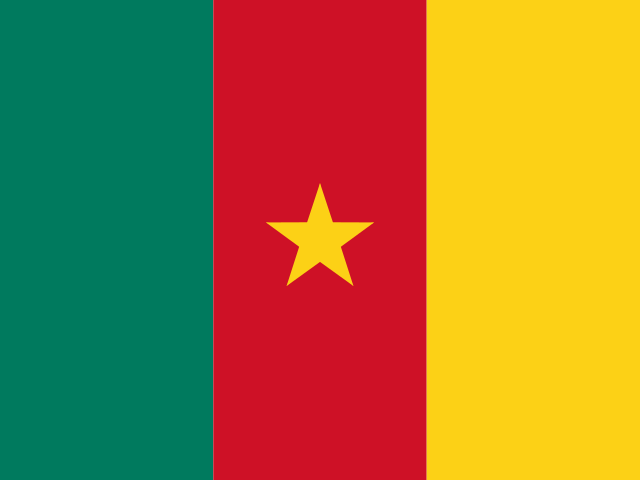 Cameroon
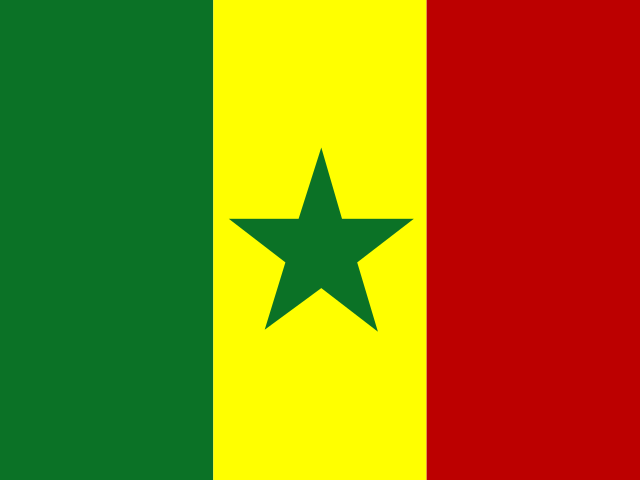 Senegal
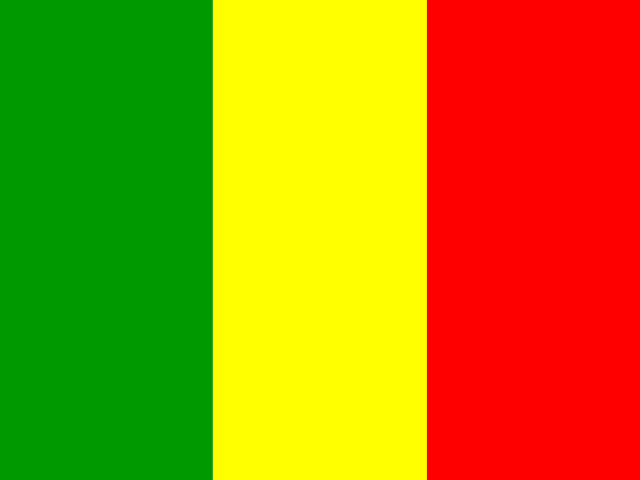 Mali
 Portugal